Horror Skull: A Designer's Review for Bold Embroidery Projects
When I first pulled up the Horror Skull file on my screen, the immediate reaction wasn't just about the subject matter; it was about the potential application. As someone who spends hours digitizing and stitching for clients, I look past the initial "spooky" vibe to see how a design actually behaves under the needle. This isn't just a graphic; it is a potential centerpiece for a wide range of custom apparel and handmade products. Whether you are an Etsy seller looking to expand your Halloween inventory or a boutique owner needing edgy branding, understanding the practical reality of this design is crucial before you commit thread to fabric.
First Impressions and Visual Personality
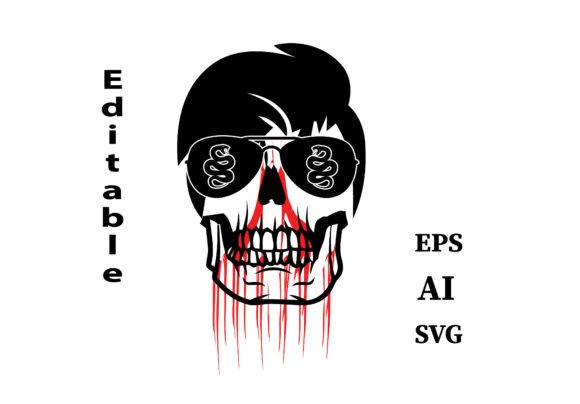
The Horror Skull carries a distinct mood. It is not merely a decorative skeleton; it has an attitude. In the world of Print Templates and Graphics, skull motifs are ubiquitous, but the execution here suggests a versatility that goes beyond October 31st. The lines appear bold enough to translate well into a machine embroidery design, which is often where digital art fails. Many graphics look stunning on a monitor but turn into a muddy mess when converted to satin stitch or fill stitch.
From a designer's perspective, the layout feels balanced. It avoids the trap of being too intricate in areas where embroidery struggles, such as tiny, isolated details that might pull out after a single wash. The visual personality is strong, making it an excellent candidate for projects that need to make a statement without shouting. It fits naturally into the "retro" or "rock-and-roll" aesthetic that is currently trending in streetwear and accessory design.
Real-World Application: The Custom Sweatshirt Scenario
To truly test the viability of the Horror Skull, let's walk through a realistic scenario. Imagine a client comes to your craft business requesting a custom hoodie for a music festival. They want something unique, not a mass-printed shirt from a big-box store. You decide to use this design for a chest placement on a heavy-weight cotton blend sweatshirt.
In this context, the Horror Skull shines. The density of the design likely provides enough coverage to hide the texture of the fleece while remaining flexible enough not to create a stiff, cardboard-like patch on the chest. For a sweatshirt embroidery project, the scale matters. If the design is too small, the details vanish; too large, and it overwhelms the garment. Assuming the file offers scalable options or appropriate sizing, this design anchors the piece perfectly. It transforms a basic garment into a small shop product with perceived high value.
Beyond apparel, consider a heavy canvas tote bag design. The rugged nature of a skull motif pairs exceptionally well with the coarse weave of canvas. Here, the finished product becomes a durable accessory for carrying vinyl records, gym gear, or market groceries. The contrast between the stark imagery and the natural fabric texture creates a sophisticated, handmade look that customers love.
Navigating Fabric Challenges and Stitch Density
However, enthusiasm must be tempered with technical caution. Not every fabric is a friend to the Horror Skull. If you are planning to stitch this onto a thin, stretchy jersey for a baby embroidery project (perhaps for a cool, edgy parent), you must proceed with care. High stitch density on lightweight fabric can cause puckering, distortion, and discomfort against sensitive skin.
For textured fabrics like towels or waffle knits, the challenge shifts to clarity. A complex skull design might get lost in the loops of a terrycloth towel unless you utilize a significant amount of stabilizer and perhaps adjust the underlay settings if you are editing the embroidery file yourself. Dark fabrics present another consideration. If the design relies on light thread colors, ensure the digitizing includes a solid underlay to prevent the dark garment color from peeking through the stitches, which can ruin the crispness of the image.
Curved surfaces, such as caps, require specific attention. Placing a detailed skull on the front panel of a baseball cap demands precise hooping. If the design has fine outlines or small text elements integrated into the skull, these areas are prone to shifting on curved surfaces. Always test on a scrap piece of the exact same material before stitching the final embroidered patch or garment.
Practical Notes for the Professional Maker
Before integrating the Horror Skull into your commercial lineup, there are several non-negotiable steps to ensure quality and professionalism:
- Test on Scrap Fabric: Never skip the stitch-out test. Use the same fabric and stabilizer combination you intend to use for the final product to check for registration issues or pulling.
- Check Thread Contrast: Evaluate how the design looks in monochrome versus multi-color. Sometimes a Horror Skull works best in a single bold color like white on black, rather than a complex gradient.
- Review Stitch Density: If the design feels too heavy, consider reducing the fill density slightly to improve drape, especially for garments.
- Confirm Hoop Size: Ensure the design fits within your available hoop sizes without requiring excessive re-hooping, which increases the risk of misalignment.
- Inspect Small Details: Zoom in on the digital preview. Are there running stitches that are too long? Are there tiny islands of color that might not stitch out cleanly?
- Mockup Verification: Create both black and white mockups to see how the design holds up in different lighting conditions and on various background colors.
- Licensing Check: Since this falls under Print Templates and Graphics, strictly verify the license terms. Can you sell the physical embroidered item? Can you sell the digital file? Clarify this before listing on Etsy or at craft fairs.
Enhancing Brand Value and Customer Trust
Ultimately, the choice of design assets like the Horror Skull reflects on your brand. Using a high-quality, well-thought-out design signals to your customers that you care about the finished product. It builds trust. When a customer receives a personalized gift or a piece of custom apparel that looks professional and wears well, they are more likely to return and recommend your small shop product to others.
The versatility of this design allows it to cross seasonal boundaries. While it is perfect for holiday embroidery during the fall, its retro and artistic qualities make it suitable for year-round streetwear. By treating the Horror Skull not just as a spooky icon but as a versatile graphic element, you open doors to a wider audience. Whether it is adorning a leather jacket, a denim vest, or a home decor pillow, the key lies in the execution.
In conclusion, the Horror Skull offers a compelling opportunity for embroidery designers and makers. It bridges the gap between digital Graphics and tactile handmade products. With careful attention to fabric selection, stabilizer use, and stitch optimization, this design can elevate your portfolio. It is a reminder that in our industry, the difference between a good product and a great one often comes down to the thoughtful application of a single, well-chosen design.