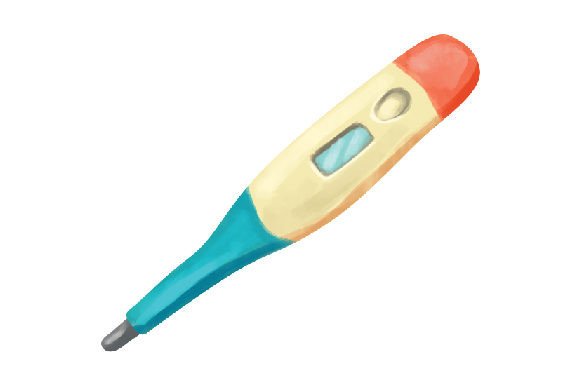
Medical Thermometer Watercolor for Crafts & Medical
As a digital seller who has spent years curating assets for Etsy shops and print-on-demand stores, I approach every new graphic design asset with a critical eye. It is not just about whether an image looks pretty; it is about whether it solves a problem for a customer and fits seamlessly into a commercial workflow. Recently, I evaluated the Medical Thermometer Watercolor collection to see if it holds up under the scrutiny of a real-world product launch. My goal was to determine if this digital product could serve as the foundation for a profitable niche collection or if it was merely decorative fluff.
First Impressions and Niche Appeal
Upon opening the files, the immediate impression is one of softness and approachability. In the Medical niche, visuals often lean towards sterile, clinical blues and whites, which can feel cold to the average consumer. This watercolor set breaks that mold by introducing warmth and texture. The aesthetic feels handmade and gentle, making it ideal for audiences seeking comfort rather than just clinical accuracy. It strikes a balance between professional relevance and the cozy, inviting vibe that performs exceptionally well in the Crafts community.
The visual personality here is distinctly nurturing. It is not bold or aggressive; instead, it feels supportive and educational. This makes it a perfect fit for creators targeting parents, nursing students, healthcare workers looking for personalized gifts, or wellness bloggers. The watercolor style adds a layer of premium perceived value, suggesting that the final printable design or merchandise was crafted with care, rather than mass-produced by a generic algorithm.
Real-World Product Applications
To truly test the viability of this asset, I imagined launching a seasonal collection on a platform like Creative Fabrica or setting up a dedicated shop section on Etsy. The versatility of the Medical Thermometer Watercolor allows it to span multiple product categories. Because the package includes an SVG file, Transparent PNG, EPS, and DXF, the potential applications are vast.
For Cricut project enthusiasts, the SVG and DXF formats are crucial. These files can be used to create precise sticker design sheets for planners, allowing users to track health metrics or medication schedules with a touch of artistic flair. The cut lines in the vector files appear clean, which is essential for avoiding weeding nightmares on intricate watercolor edges.
In the realm of print-on-demand, the high-resolution PNGs shine. I can easily visualize these graphics on a t-shirt design for a nursing graduation party or a mug design for a pediatrician's office. The transparency of the PNG ensures that the watercolor texture blends naturally onto colored garments without unsightly white boxes. Furthermore, these illustrations work beautifully as sublimation design elements for tumblers and tote bags, where the soft edges of the watercolor style mimic the look of hand-painted ceramics.
For those selling Canva template bundles, this clipart set offers excellent building blocks. You could construct invitation templates for baby showers with a health-conscious twist, or design social media kits for wellness coaches. The assets also pair well with digital paper packs to create cohesive scrapbooking kits for documenting a child's growth and health milestones.
Enhancing Product Presentation
A major factor in online sales is the product mockup. A strong graphic design asset must look good in a thumbnail before a customer even clicks. The Medical Thermometer Watercolor has enough detail to stand out in small preview images but remains simple enough not to look cluttered. When building listing images, using these graphics can help establish brand identity and visual hierarchy. They draw the eye immediately, signaling to the buyer that this is a specialized, high-quality item.
Using these assets in social media graphics or promotional visuals can also boost click-through rates. The unique watercolor texture differentiates your brand from competitors using flat, vector-only icons. It tells a story of warmth and care, which builds customer trust. For a small business branding strategy, consistency is key, and having a unified set of medical-themed illustrations helps maintain a professional look across all digital download offerings.
Strategic Placement and Cautionary Notes
While this collection is robust, it is not a one-size-fits-all solution. It works best in contexts where emotion and aesthetics are prioritized over stark utility. Large product previews, themed bundles for nursing schools, and decorative layouts for nursery prints are ideal environments. However, sellers should exercise caution when applying these designs to tiny details. The organic nature of watercolor means that fine lines might get lost on very small stickers or intricate jewelry charms.
Additionally, be mindful of background contrast. While the transparent PNGs are versatile, placing light watercolor washes against dark backgrounds without a white outline or shadow effect might reduce visibility. For Cricut or Silhouette users requiring sharp, clean cutting lines for vinyl decals, always inspect the SVG nodes first. Sometimes, the "fuzzy" edge of a watercolor simulation needs simplification in vector software to ensure a clean cut.
Avoid using these in overly complex layouts where text legibility is paramount. If you are creating a packaging design or a label that requires strict regulatory compliance, ensure the artistic element does not obscure necessary information. The charm of this asset lies in its decorative quality, not its ability to serve as a functional diagram.
Practical Seller Checklist
Before publishing any listing featuring the Medical Thermometer Watercolor, I recommend a rigorous testing phase. First, test the design on real mockups to see how the colors translate on different materials like cotton, ceramic, and glossy paper. Preview the image as a marketplace thumbnail to ensure it pops against the white or gray background of the site.
Check how the colors look on both white and dark backgrounds to verify versatility. If you are offering physical prints, run a test print to confirm color accuracy, as watercolors can sometimes shift during the CMYK conversion process. Verify the PNG transparency thoroughly to avoid halo effects around the edges.
For vector users, inspect the SVG cut quality. Open the file in your preferred design software and simplify paths if necessary for smoother cutting. Organize your files clearly for your customers; a well-structured folder with labeled SVG, PNG, EPS, and DXF files enhances the user experience and reduces support tickets.
Typography pairing is another critical step. This watercolor style pairs beautifully with a mix of fonts. Try combining it with a clean sans serif font for modern readability, a classic serif font for an elegant touch, or a flowing script font to enhance the handmade feel. A bold display font can also work well for headlines on t-shirts or mugs.
Finally, and most importantly, confirm the commercial license terms. Ensure you understand the limits of usage regarding the number of sales, physical vs. digital products, and attribution requirements. By treating this illustration set as a serious component of your handmade business or creative marketplace inventory, you can leverage its unique style to build a distinctive and profitable product line.